What Causes Down Syndrome? Can It Be Prevented?
Worried about what caused your child's Down syndrome? Get clear, honest answers about trisomy 21, risk factors, and whether it could have been prevented.
arrow_downwardJump to section
Key Takeaways
- check_circleTrisomy 21, the cause of roughly 95 percent of Down syndrome cases, results from a chromosomal nondisjunction event at or before fertilization. It is not caused by anything that happens during pregnancy.
- check_circleTranslocation Down syndrome is the one subtype where a parent can carry and pass along a chromosomal rearrangement. Genetic counseling is specifically useful here for understanding recurrence risk.
- check_circlePrevention is not currently possible for trisomy 21 or mosaic Down syndrome. Prenatal screening and diagnostic testing can identify the condition before birth, but the chromosomal event itself cannot be intercepted.
Down syndrome is the most common chromosomal condition diagnosed in the United States, affecting roughly 1 in every 700 births according to the CDC. And yet the question of what actually causes it trips up a lot of parents, because the explanation involves chromosome biology that most of us never had reason to think about until now. The short answer: Down syndrome results from the presence of an extra copy of chromosome 21. Every cell in a typical human body contains 46 chromosomes, arranged in 23 pairs. In most cases of Down syndrome, that 21st pair ends up as a trio instead, a change that shifts the course of development in ways that are broad and lifelong. What causes that extra chromosome to appear? And is there anything anyone could have done to prevent it? Those two questions deserve a direct, honest answer.
How an extra chromosome changes everything, and why it happens
The most common form of Down syndrome, accounting for about 95 percent of all cases, is called trisomy 21. It happens during the formation of eggs or sperm, when chromosomes are supposed to separate cleanly. In a process called nondisjunction, chromosome 21 fails to pull apart correctly. The resulting egg or sperm ends up carrying two copies of chromosome 21 instead of one. When that cell is fertilized, the embryo has three copies total, present in every single cell of the body from the earliest moments of development. This is not something that happens after conception. It is not caused by anything the parent did or did not do during pregnancy. The nondisjunction event occurs before or at the moment of fertilization.
Two rarer forms also exist. Translocation Down syndrome, which accounts for roughly 3 to 4 percent of cases, occurs when part of chromosome 21 breaks off and attaches to a different chromosome, usually chromosome 14. The total chromosome count may appear normal at first glance, but the extra chromosomal material from 21 is still present and still active. In some translocation cases, a parent carries the rearrangement without having Down syndrome themselves, which means it can be passed to children. This is the one form where genetic inheritance from a parent plays a direct role, and it is why a genetics consultation matters when translocation is identified. Mosaic Down syndrome, the rarest form at around 1 to 2 percent, involves the nondisjunction event occurring after fertilization rather than before. The result is a mix of cells: some with 46 chromosomes, some with 47. The proportion of affected cells varies from person to person and influences the range of characteristics present.
The one factor consistently associated with increased likelihood of trisomy 21 is maternal age at conception. The risk is approximately 1 in 1,250 at age 25, rising to about 1 in 100 by age 40, according to data from the NIH. This is because eggs age with the person who carries them, and older eggs are more prone to nondisjunction errors during cell division. That said, because younger people give birth in far greater numbers overall, the majority of children with Down syndrome are actually born to parents under 35. Age is a statistical risk factor, not a sentence. And it is not a cause in the behavioral sense. No dietary choice, no environmental exposure, no stress level, no emotional state during pregnancy causes nondisjunction. The chromosomal error is a biological event that occurs at the cellular level, largely outside any parent's influence.
What families can do after a diagnosis, starting this week
- Request a referral to a developmental pediatrician within the first month if you have not already. Early developmental evaluations establish a baseline and open the door to early intervention services, which in most states are available from birth through age three at no cost to the family.
- Ask specifically for an occupational therapy evaluation before six months. Feeding difficulties, low muscle tone affecting head control, and sensory differences are common in Down syndrome babies and respond well to targeted early intervention when identified early.
- Track developmental milestones using a structured tool rather than informal observation. Milestones in children with Down syndrome follow the same sequence as in typically developing children but on a wider and often extended timeline. Knowing where your child is within that range helps you have specific conversations with their care team.
- Explore structured home-based programs. The Environment Method, developed by Anat Furstenberg, is designed to help parents support motor and sensory development through daily interaction rather than waiting for weekly therapy appointments to move the needle.
- Connect with a genetic counselor if the subtype is translocation. This conversation is specifically about recurrence risk in future pregnancies and whether chromosome testing for other family members makes sense. It is a clinical planning conversation, not a grief conversation.
Signs in infancy that warrant a prompt call to your pediatrician
If your child has already received a Down syndrome diagnosis, a few specific patterns deserve immediate attention rather than a wait-and-see approach. Persistent feeding difficulties past the first two weeks, including poor latch, slow weight gain, or significant fatigue during feeds, should prompt an occupational therapy referral right away. Cardiac symptoms such as rapid breathing, bluish color around the lips, or poor feeding paired with sweating can indicate a congenital heart defect, which occurs in roughly 50 percent of Down syndrome in babies and requires cardiology evaluation. Hypotonia that limits head control past four months, or absence of social smiling by three months, also warrants a conversation with your developmental pediatrician rather than waiting for a scheduled well visit. Timing matters with early intervention referrals, and the AAP recommends subspecialty follow-up begin in the newborn period.
Frequently Asked Questions
Science-backed, not trend-driven
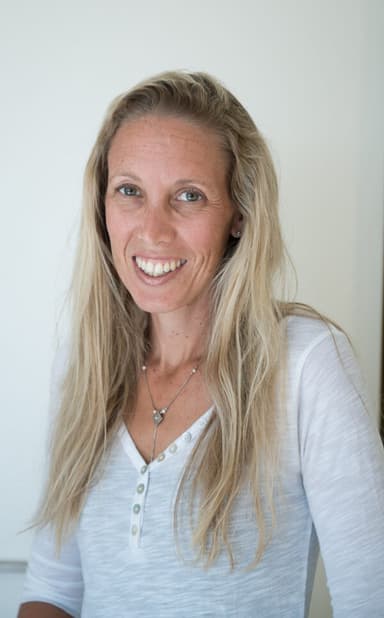
BabyPillars was founded by Anat Furstenberg, a developmental specialist with over 20 years of clinical experience. In your private session, you work directly with Anat, not an assistant or a bot.
Schedule a Session with Anat