Best Activities to Support Your Baby's Development
Discover simple, science-backed activities to boost your baby's development from sensory play to movement and connection. No fancy toys needed.

By Anat Furstenberg, Child Development Specialist · 20+ years
April 11, 2026·8 min read

arrow_downwardJump to section
Key Takeaways
- check_circleTouch is your baby's first language, and intentional, gentle touch during everyday routines directly supports emotional and physical development from the very first days of life.
- check_circleFloor time activities that encourage reaching, weight shifting, and foot awareness build the sensory and movement foundations your baby needs for crawling and all future milestones.
- check_circleResponsive communication, including eye contact, mirroring, and waiting for your baby to respond, is one of the most powerful developmental activities you can offer, and it costs nothing at all.
If you're up late wondering what you can actually do to support your baby's development, first know this: the fact that you're asking this question already makes you an incredible parent. Babies grow and learn through the relationships and experiences we give them every single day, and the activities you share together matter more than any fancy toy or gadget ever could. In this post, we're going to walk through some of the most meaningful, science-backed activities you can do with your baby to support his overall development, covering sensory exploration, movement, communication, and the power of touch. Whether your little one is just a few weeks old or already starting to move around on the floor, there is something here for every stage. Let's dig in.
How Everyday Interactions Build Your Baby's Development
One of the most reassuring things to understand about baby development is that the most powerful activities are not complicated. They happen in ordinary moments, during diaper changes, feeding times, and quiet cuddles on the floor. What matters most is the quality of connection inside those moments.
Touch is one of the first places to start. From the very first moment your baby enters the world, touch is the primary language between the two of you. When touch is pleasant, appropriate, and responsive, it has a profound impact on your baby's emotional and physical development. This means that simply holding your baby, stroking his feet, gently pressing on his back, or tracing his arms during a calm moment is genuinely developmental work. You are not just soothing him. You are wiring his brain.
According to the American Academy of Pediatrics, responsive caregiving and skin-to-skin contact in the early months supports healthy neurological development and emotional regulation in infants. This is why something as simple as a gentle foot massage or a slow, mindful holding session counts as a real developmental activity.
When it comes to movement, babies between six and nine months begin to understand that they can reach objects that are close to them by combining eye contact, reaching with their hands, and rolling their bodies. This is a remarkable cognitive and physical leap. You can support this by placing toys just slightly out of reach during floor time, encouraging your baby to shift his weight and stretch toward what interests him. This gentle challenge builds the foundations for baby crawling and all the independent movement milestones that follow.
One particularly beautiful activity involves familiarizing your baby with his own feet. Through a comfortable series of touch and stimulation, you can help your baby feel, rest, and relax his feet. Sit with him in a calm position, hold one foot gently, press into the sole with your thumb, move each toe slowly, and let him look at his foot as you do it. This sends a message to his brain that movement exists in his feet, and it directly supports future crawling and standing. It sounds simple because it is, and that simplicity is exactly what makes it so powerful for tummy time exercises and floor-based development.
Communication is another area where everyday activities make a huge difference. Your baby is communicating with you from birth, long before any words arrive. He communicates through crying, through eye contact, through reaching his hands toward your face, and through the sounds he makes. Your job is not to teach him to talk. Your job is to respond. Every time you make eye contact, mirror his expression, copy the sound he just made, or name what he seems to be feeling, you are building a back-and-forth communication system that will carry him through language development for years.
Around eight to ten weeks, watch for your baby's smile to shift from an involuntary reflex to a joyful, voluntary response when he sees your face. This is a genuine developmental milestone, the beginning of true social communication. You can encourage this by bringing your face close to his during calm, alert moments, speaking softly, and waiting for his response before you speak again. That pause you give him is not silence. It is an invitation, and it teaches him that his responses matter.
For babies who are working toward 6 month milestones and beyond, activities that engage the balance system are especially valuable. Rolling your baby slowly side to side while he lies on a firm surface, or gently supporting him in sitting and letting him feel his weight shift, helps his vestibular system develop. This system, which lives in the inner ear, is responsible for his sense of where his body is in space, and it underpins every movement milestone from rolling to walking.
The World Health Organization recommends that babies under one year have interactive floor-based play every day, with infants who are not yet mobile encouraged to spend time on their tummy at least 30 minutes spread throughout the day. Floor time is not just play. It is how babies build strength, coordination, and spatial awareness in the most natural way possible.
Using multiple senses together during activities makes them even more effective. When you combine touch, voice, eye contact, and gentle movement at the same time, your baby becomes more attentive and more engaged. Try narrating what you are doing while you massage his legs. Sing softly while you move his arms in a gentle bicycle motion. The richer the sensory environment you create, the more your baby's brain lights up, which directly supports baby brain development during these critical early months.
Practical Tips for Parents
- During diaper changes, take thirty seconds to stroke each of your baby's feet slowly and firmly. Press into the sole, move each toe gently, and let him look at what you are doing. This foot familiarization exercise directly supports his future crawling and movement development.
- Practice making eye contact as a deliberate activity. Sit close to your baby during a calm, alert moment, bring your face to his level, and hold his gaze softly. Wait for him to respond with a sound or expression, then mirror it back. Repeat this for just two to three minutes each day.
- Create simple reaching challenges during floor time by placing a favorite toy or bright object just slightly beyond your baby's comfortable reach. Support his hips gently so he feels safe as he shifts his weight and stretches toward it. Never push him toward the object. Let his curiosity do the work.
- Try a daily sensory hold where you place your baby on his tummy across your forearm with his head near your elbow and his legs straddling your hand. This position supports his core, challenges his balance system, and keeps him close to you. Even two to three minutes in this position counts as meaningful developmental input.
- Use online baby classes designed by developmental specialists to guide your floor time activities week by week, so you always have a clear, age-appropriate plan rather than guessing what to try next.
When to Talk to Your Doctor
Most babies thrive beautifully with consistent, loving interaction and age-appropriate floor time. However, it is always worth mentioning to your pediatrician if you notice that your baby is not making eye contact by two months, is not smiling responsively by three months, is not reaching for objects by six months, or seems unusually stiff or floppy during movement activities. Early support makes a real difference, and asking for a developmental check is never overreacting. If you have ongoing concerns about developmental delays, connecting with a specialist early gives your baby the best possible start.
Frequently Asked Questions
Want to go deeper?
Get the full development system for your baby
Week-by-week guidance, milestone tracking, and expert video classes, all in one place.
See Plans & Pricingarrow_forwardYou May Also Like
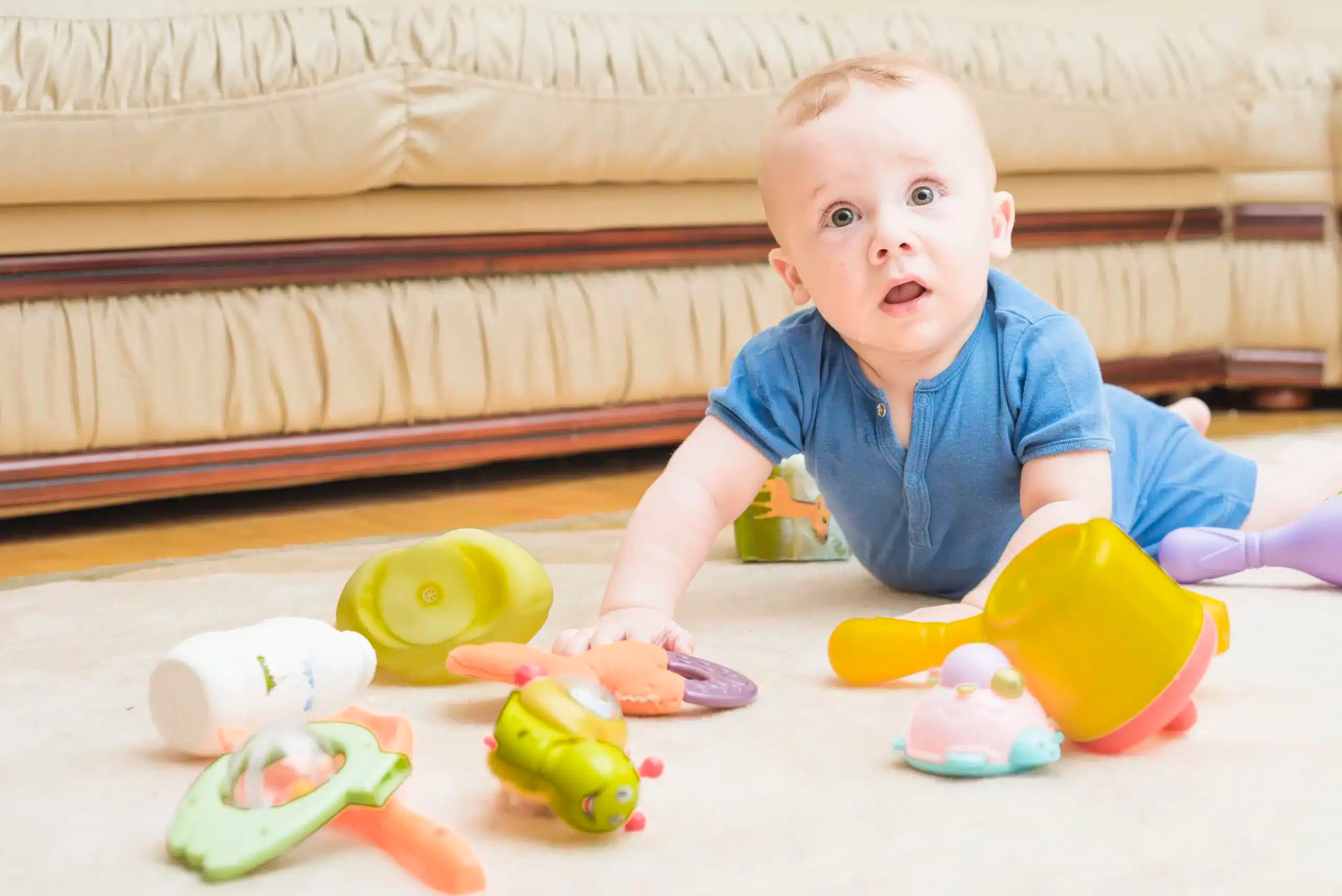
6 Month Old Baby Activities And Developmental Milestones
Fostering Early Development: A Guide to 6-Month-Old Baby Activities. Discover the foundations of your 6-month-old's growth journey. Learn how pivotal early development is, and why building a strong bond with your baby matters. Explore the keys to creating a safe, stimulating environment and the importance of routine. Find out why parental support and self-care are essential for a fulfilling parenting experience.
Read Morearrow_forward
Your Ultimate Guide: Activities for 3 Month Old Infants
Introduction to activities for 3-month-olds: Explore 29 creative ways to play and learn with your baby during their critical early months. From sensory playtime to heartwarming cuddles, each activity fosters sensory development and strengthens your bond. Adapt activities to your baby's unique pace and preferences, always prioritizing safety and comfort. Cherish these early moments of discovery.
Read Morearrow_forward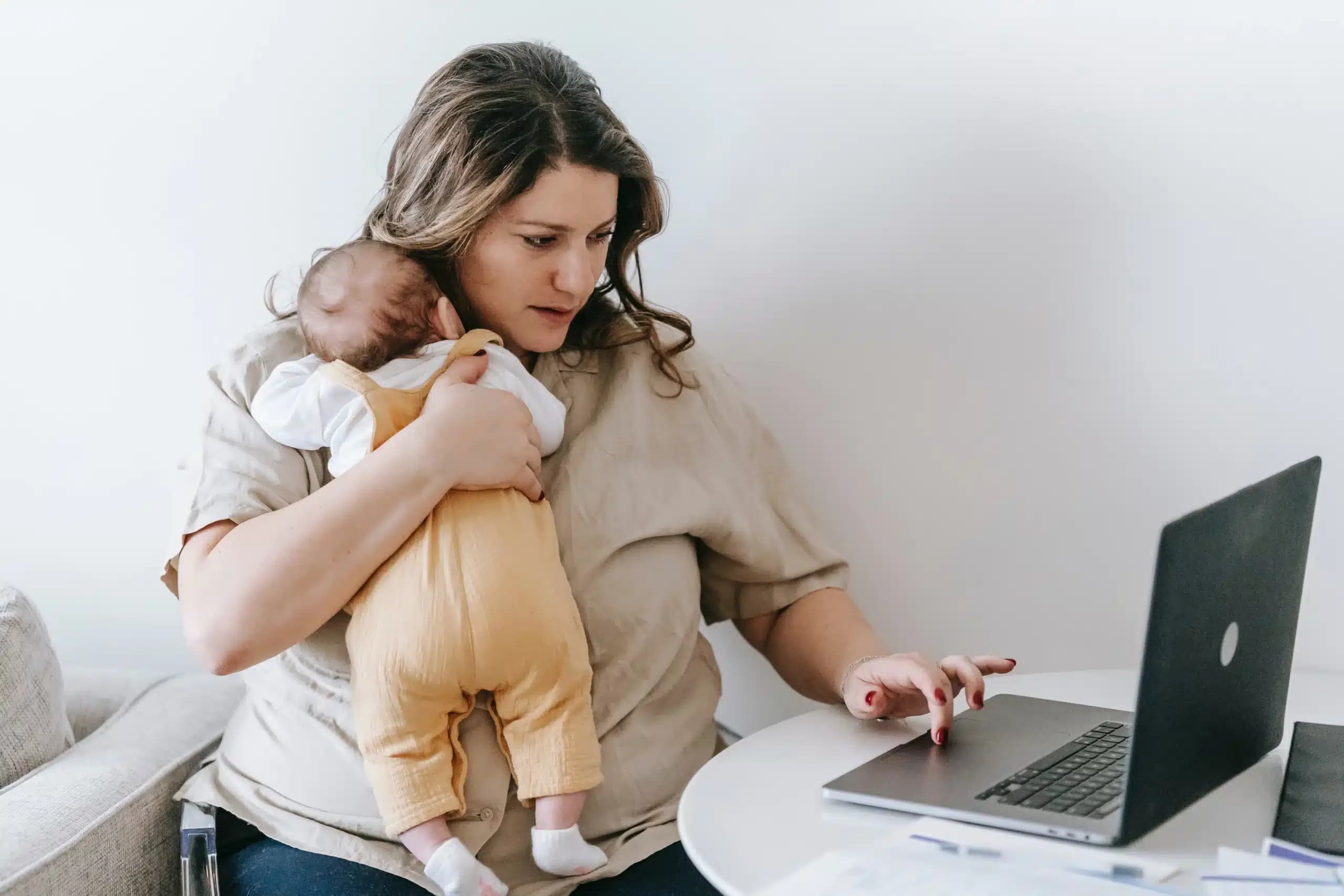
Your 3 Month Old Baby Activities And Developmental Milestones
Fostering Your 3-Month-Old's Growth: Activities & Milestones At 3 months, your baby enters a world of swift development. Discover how early engagement bolsters the parent-child bond, language skills, and physical growth. Explore sensory play's role in cognitive and emotional development through texture, color, and sound. Embrace music and movement for brain stimulation and emotional expression. Join our journey in nurturing your baby's growth.
Read Morearrow_forward