How to Know If Your Baby Is Hitting Their Milestones
Wondering if your baby is on track? Learn what developmental milestones really look like and how to spot them at home without the worry.

By Anat Furstenberg, Child Development Specialist · 20+ years
April 10, 2026·7 min read
arrow_downwardJump to section
Key Takeaways
- check_circleDevelopmental milestones are not a rigid checklist they unfold on a spectrum, and the quality and process of development matter just as much as timing.
- check_circlePhysical, emotional, and social development are deeply connected; observing all of these areas together gives you a much fuller and more accurate picture of how your baby is growing.
- check_circleYour daily interactions the way you encourage effort, invite problem-solving, and provide emotional security are active ingredients in your baby's healthy development, not just background noise.
If you're reading this at 2am, phone in one hand and a sleeping baby nearby, wondering whether your little one is "on track" first, take a breath. The fact that you're asking this question already tells you something important: you are paying attention, and that matters. Knowing whether your baby is hitting their milestones can feel like trying to solve a puzzle with half the pieces missing. What exactly are you supposed to be looking for? How do you tell the difference between a baby who's just doing things in their own time and a baby who might need a little extra support? In this post, we're going to walk through what developmental milestones actually mean in real life, how to observe them at home, and just as importantly, how to stop comparing your baby to every other baby you've seen on the internet.
What Developmental Milestones Actually Look Like in Real Life
Milestones are often talked about as if they're a checklist a series of boxes your baby either ticks or doesn't. But development is far more like a journey than a list. Every baby moves through developmental stages in their own sequence, and the path from one stage to the next is rarely a straight line. Understanding this is one of the most reassuring things you can hold onto as a parent.
Development happens across several areas at once: physical and motor skills, emotional and social responsiveness, communication, and the ability to problem-solve and explore. What's important to know is that these areas are deeply connected. When your baby is working hard on a physical skill learning to roll, to sit, to pull themselves up their emotional world is developing right alongside it. The sense of accomplishment your baby feels when they finally figure out how to transfer their weight from one foot to another, or cross an obstacle to reach a toy they want, is not just physical. It builds their confidence, their persistence, and their understanding that they have the ability to learn and cope with different challenges.
Motor development, in particular, follows a pattern that moves from large body movements toward finer, more controlled ones and from the center of the body outward. You'll often notice your baby mastering balance and weight shifting before they master walking confidently. Activities that seem like simple play — holding a hoop in both hands, stepping in and out of it without touching the sides, walking forward and then backwards are actually asking your baby's body to do several complex things simultaneously: use their balance system, understand spatial orientation, and move in multiple directions. These are real developmental achievements, even when they look like fun.
One of the most helpful things you can do as a parent is to observe not just whether your baby does something, but how they do it. Does your baby need to think before they step over an obstacle, or do they just barrel through? Can they transfer their weight from one foot to the other and hold steady for a few seconds before taking the next step? These small moments of hesitation, problem-solving, and self-correction are actually signs that development is happening that your baby's brain and body are learning to work together.
Something else worth understanding: development isn't always forward-moving in a simple, linear way. Sometimes a baby who is walking confidently will return to crawling especially when faced with a new challenge, like reaching a toy that has rolled under the couch. This return to an earlier movement pattern isn't regression. It's your baby drawing on everything they've already learned and applying it smartly to a new situation. Leading your baby back to crawling in play, in fact, actively serves them in different situations they'll come across throughout their development.
Emotional and behavioral development is equally important, and equally nuanced. How your baby responds to you, how they handle frustration, how they seek comfort all of these are milestones too, even if they never appear on a standard milestone chart. A baby who reaches toward you when they're upset, who calms when held, who begins to show curiosity about the world around them these are signs that their emotional development is moving in a healthy direction. Over time, that foundation of emotional security becomes the launchpad for all other learning. Children who feel safe and loved are more open, more willing to try new things, and more resilient when they don't succeed the first time.
It's also worth saying plainly: the way you talk to your baby and your growing child matters enormously to their development. Praising effort rather than outcomes noticing when your child worked hard rather than only celebrating when they got it right builds the kind of confidence that helps a child keep trying. Inviting your child to think through a challenge rather than always stepping in with the answer builds independent thinking. These interactions, woven into daily life, are just as much a part of healthy development as any physical milestone.
Practical Tips for Parents
- Watch how your baby moves, not just whether they move. Notice things like whether your baby shifts their weight before lifting a foot, or how they pause and think before crossing an obstacle. The quality of movement is often more informative than whether a skill has appeared at all.
- Create gentle challenges during play. Everyday play activities stepping in and out of a hoop, climbing over a cushion, reaching for a toy just beyond their grasp let you observe how your baby problem-solves and builds new skills in a low-pressure setting.
- Praise effort, not just results. When your baby tries something hard even if they don't fully succeed let them know you saw the effort. "You worked so hard at that!" builds the confidence and persistence that fuel all future development.
- Pay attention to emotional milestones alongside physical ones. How your baby seeks comfort, responds to your face, and handles frustration are genuine developmental markers. A baby who calms when held, who looks to you for reassurance, and who shows curiosity about the world is showing you important signs of healthy development.
- Keep a simple observation journal. You don't need a formal system just jot down things you notice each week. Over time, this gives you a picture of your baby's progress that's far more meaningful than any single-day snapshot, and it's useful information to share with your pediatrician.
Frequently Asked Questions
Want to go deeper?
Get the full development system for your baby
Week-by-week guidance, milestone tracking, and expert video classes, all in one place.
See Plans & Pricingarrow_forwardYou May Also Like
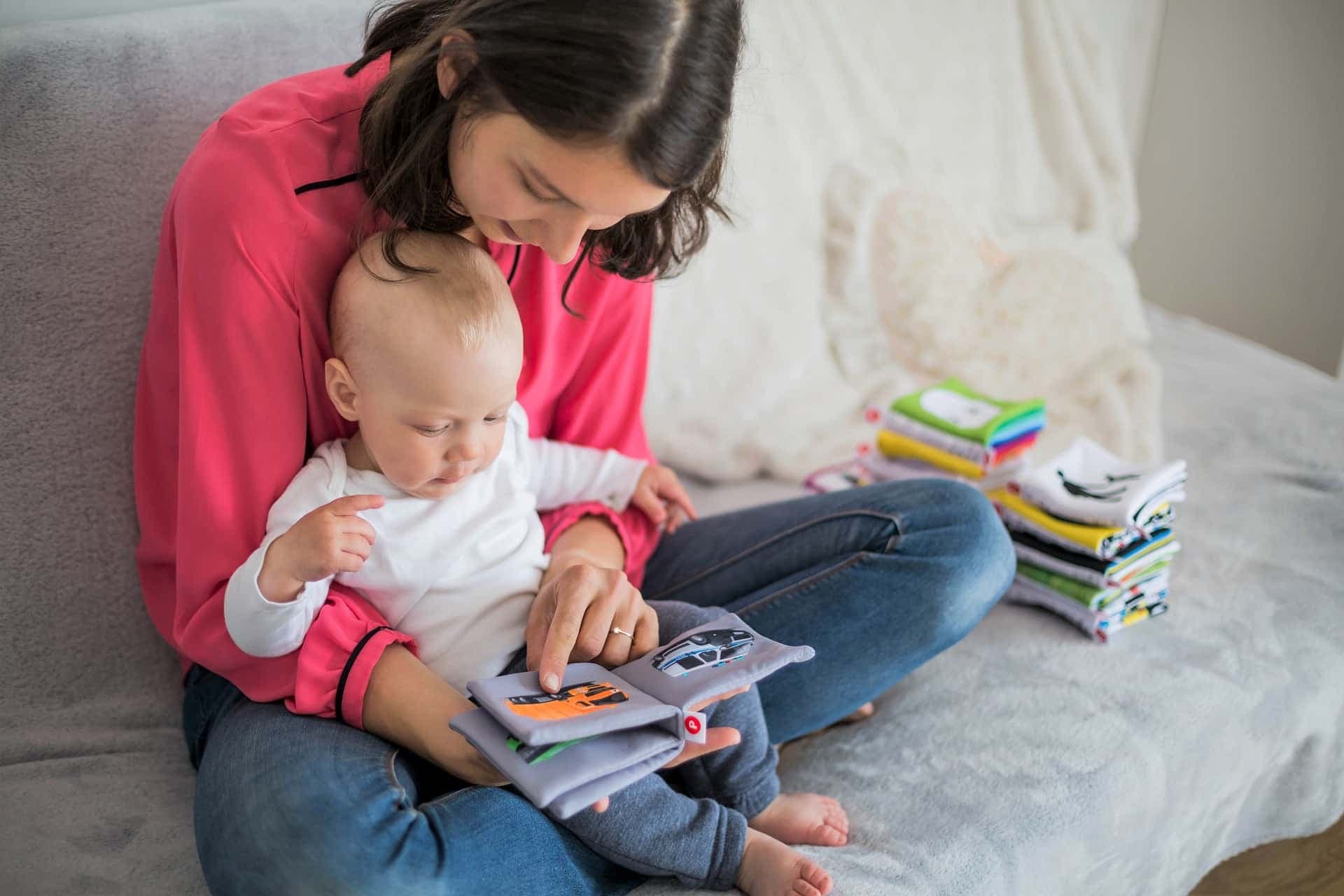
6 Month Milestones: Tracking Your Baby's Development and what to avoid.
Babies often experience a variety of physical, cognitive, and social milestones throughout their first six months of life. In terms of physical development, your baby could be able to roll over from their stomach to their back and elevate their head and chest while lying on their stomach. Additionally, they might be able to sit…
Read Morearrow_forward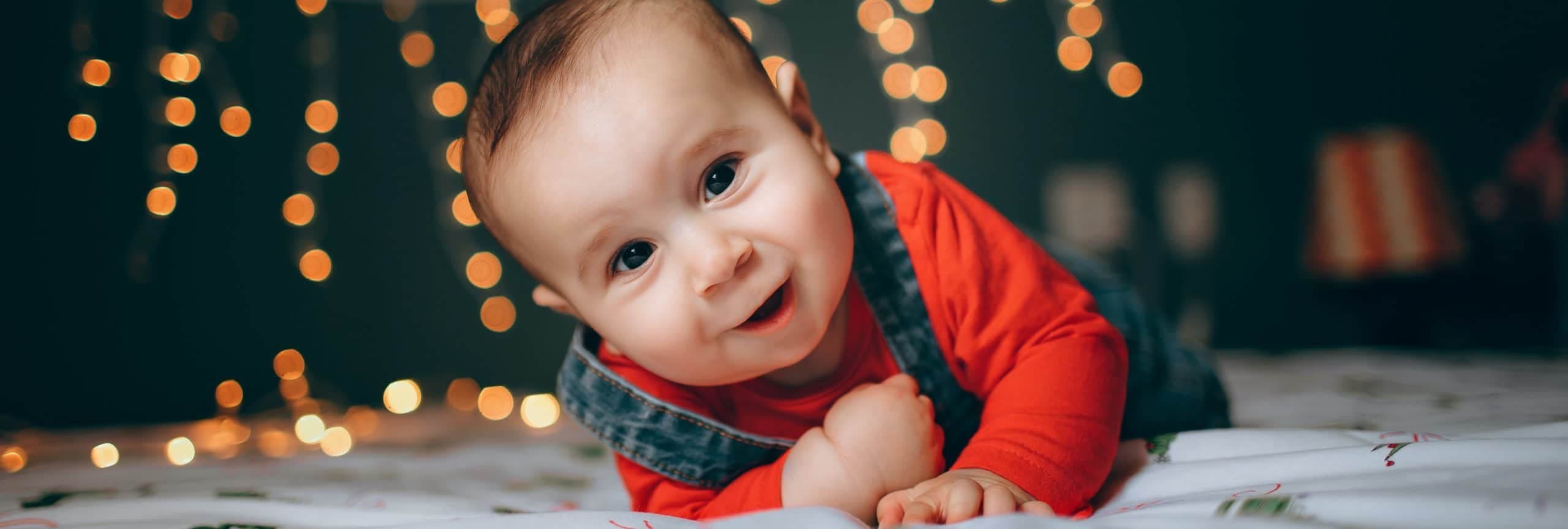
Baby Crawling Guide: Benefits & Tips for Parents
The importance of baby crawling for physical and cognitive development: Crawling is an important milestone in a baby's development, as it helps to develop their physical and cognitive skills. From a physical standpoint, crawling helps to build strength in the muscles of the arms, legs, and core, as well as improve coordination and balance. This…
Read Morearrow_forward![Stages of Crawling, Pre Crawling; Part Of One-On-One With Anat. [BabyPillars].](/_next/image/?url=%2Fblog%2Ffeatured-pre-crawling-Pre-Crawling-baby.jpg&w=3840&q=75)
Stages of Crawling, Pre Crawling; Part Of One-On-One With Anat. [BabyPillars].
Pre crawling, the stages of crawling, this video is part of one-on-one session with Anat. One-On-One Online Private Sessions With Anat. Parenting classes are great, but sometimes you need more personalized advice. In this video you can see a personal private session that Anat gave to one of BabyPillars members in regards to pre crwaling…
Read Morearrow_forward