Baby Seems Behind on Milestones? What Parents Should Know
Worried your baby is behind on milestones? Learn how development really works, what you can do to help, and when to talk to your pediatrician.

By Anat Furstenberg, Child Development Specialist · 20+ years
March 25, 2026·8 min read
arrow_downwardJump to section
Key Takeaways
- check_circleBaby development follows consistent stages, but the timing varies widely between individual babies. One skill appearing later than average does not define your child's overall trajectory.
- check_circleTouch, movement, and responsive caregiving are foundational tools you already have access to every day, and they directly support your baby's neurological and physical development.
- check_circleEarly support, whether through structured developmental exercises or professional guidance, is always worthwhile when you have concerns. Acting early is an act of love, not an overreaction.
If you're reading this at 2am, heart racing, comparing your son to milestone charts and wondering if something is wrong first, take a breath. You are not alone, and the fact that you're paying such close attention already shows what a devoted parent you are. Concerns about a baby seeming "behind" are one of the most common worries parents carry, and they deserve a real, thoughtful answer. In this post, we will walk through how baby development actually works, why the word "behind" can be misleading, what you can actively do to support your son right now, and when it makes sense to bring your pediatrician into the conversation. There is a lot of reassurance ahead, alongside some genuinely useful guidance you can start using today.
Understanding How Baby Development Really Works: Stages, Timing, and What "Behind" Actually Means
One of the most important things to understand about baby development is that it does not happen in a straight line, and it does not happen on a fixed schedule that every single baby follows to the day. Development unfolds in stages that follow their own consistent set of rules from the moment of birth. Your baby needs to go through each stage and learn every element of that stage in order to build a strong foundation for what comes next. That foundational idea is everything, because it means the process matters just as much as the timing.
When parents say their baby seems "behind," they are usually comparing their child to a chart, a neighbor's baby, or something they read online at midnight. Those reference points are averages. They describe when most babies reach a skill, not when all babies must reach it. Some babies sprint through motor milestones and take their time with language. Others babble constantly but are slower to roll or sit independently. Neither pattern automatically signals a problem. What matters most is that development is moving forward, even if the pace looks different from the baby next door.
Your baby's baby brain development is happening at a breathtaking speed in the first year of life. The brain is building connections through every single experience your son has, including touch, movement, sound, and interaction with you. Touch, for example, is described in developmental training as the first and most important communication between a baby and his primary caregivers from the very first moment he enters the world. When the touch he experiences is pleasant, appropriate, and consistent, it can have a profound impact on his emotional and physical development. This means that the everyday moments of holding, carrying, and responding to your baby are not small things. They are literally building his nervous system.
Movement development follows a particularly clear progression. Around the 6 to 9 month window, babies begin to understand that they have the ability to reach an object close to them through making eye contact, extending a hand, and rolling toward it. 6 month milestones like rolling, sitting with support, and beginning to bear weight on the legs are all part of a cascade that starts much earlier, in the newborn period, with simpler movements like bending and extending the spine and learning to feel weight through the body. If your son seems slower in one of these areas, it is worth asking whether earlier foundational steps had enough time and opportunity to develop fully, rather than immediately assuming something is wrong.
The CDC's developmental milestone guidelines are a helpful starting point, but even pediatric experts emphasize that ranges exist for a reason. A baby who sits independently at 5 months and a baby who sits at 8 months can both be developing typically.
The 6 to 9 month period also introduces important sensory work that supports future movement. Babies at this stage benefit enormously from exercises that help them become familiar with their own feet, because that body awareness sends messages to the brain that will guide crawling, standing, and walking. Baby crawling is not just a cute phase. It is a critical neurological step that connects the two sides of the brain, develops core strength, and lays the groundwork for coordination skills your child will use for the rest of his life. If your son has not started crawling yet or seems to be struggling with it, this is an area where targeted, playful support can make a real difference.
For babies who are showing more significant differences in their development, it helps to know that there is a wide spectrum of what can be going on and a wide range of support available. Some babies have differences related to developmental delays that benefit from early intervention, and the research consistently shows that earlier support leads to better outcomes. The word "delay" does not mean your child cannot get there. It often means he needs a slightly different road to arrive.
The World Health Organization recognizes early childhood as the most critical period for brain development, emphasizing that responsive caregiving and stimulating environments make a measurable difference in outcomes for all children, including those who develop on a different timeline.
The most grounding thing you can hold onto tonight is this: your baby's development is a process, not a performance. Every exercise you do with him, every time you respond to his cries, every moment of skin contact and eye contact and playful interaction, you are actively supporting that process. You are not a passive observer. You are one of the most powerful developmental tools your son has.
Practical Tips for Parents
- Prioritize daily floor time on the stomach. Tummy time exercises build the shoulder, neck, and core strength that underlies almost every major motor milestone. Even short, frequent sessions across the day add up significantly over weeks.
- Use touch intentionally and consistently. Gentle, rhythmic touch during diaper changes, baths, and feeding sends important messages to your baby's developing nervous system and builds the emotional security he needs to explore movement with confidence.
- Introduce foot awareness play. Gently stimulating your baby's feet with your hands helps send signals to the brain about where the feet are in space, which directly supports crawling, standing, and independent movement. Hold his feet, let him feel different textures, and give him time to kick freely without socks when it is safe to do so.
- Use a baby milestone tracker to watch for patterns over time rather than fixating on single skills. Progress across weeks tells a far more complete story than any one snapshot moment.
- Consider structured online baby classes that give you a guided developmental framework. Having a clear, stage by stage program removes the guesswork and replaces anxiety with purposeful action you can take every single day.
When to Talk to Your Doctor
While most developmental variation is completely normal, there are times when a conversation with your pediatrician is the right next step. If your son has lost a skill he previously had, if he is not making eye contact or responding to your voice by around 3 to 4 months, if he shows very low muscle tone or seems unusually stiff, or if your gut simply keeps telling you something needs attention, please do reach out to your doctor. Early referral for evaluation is never the wrong move, and accessing support early, whether through a pediatric occupational therapist, physiotherapist, or developmental specialist, gives your child the best possible advantage. Trust yourself as a parent. You know your son better than anyone.
Frequently Asked Questions
Want to go deeper?
Get the full development system for your baby
Week-by-week guidance, milestone tracking, and expert video classes, all in one place.
See Plans & Pricingarrow_forwardYou May Also Like
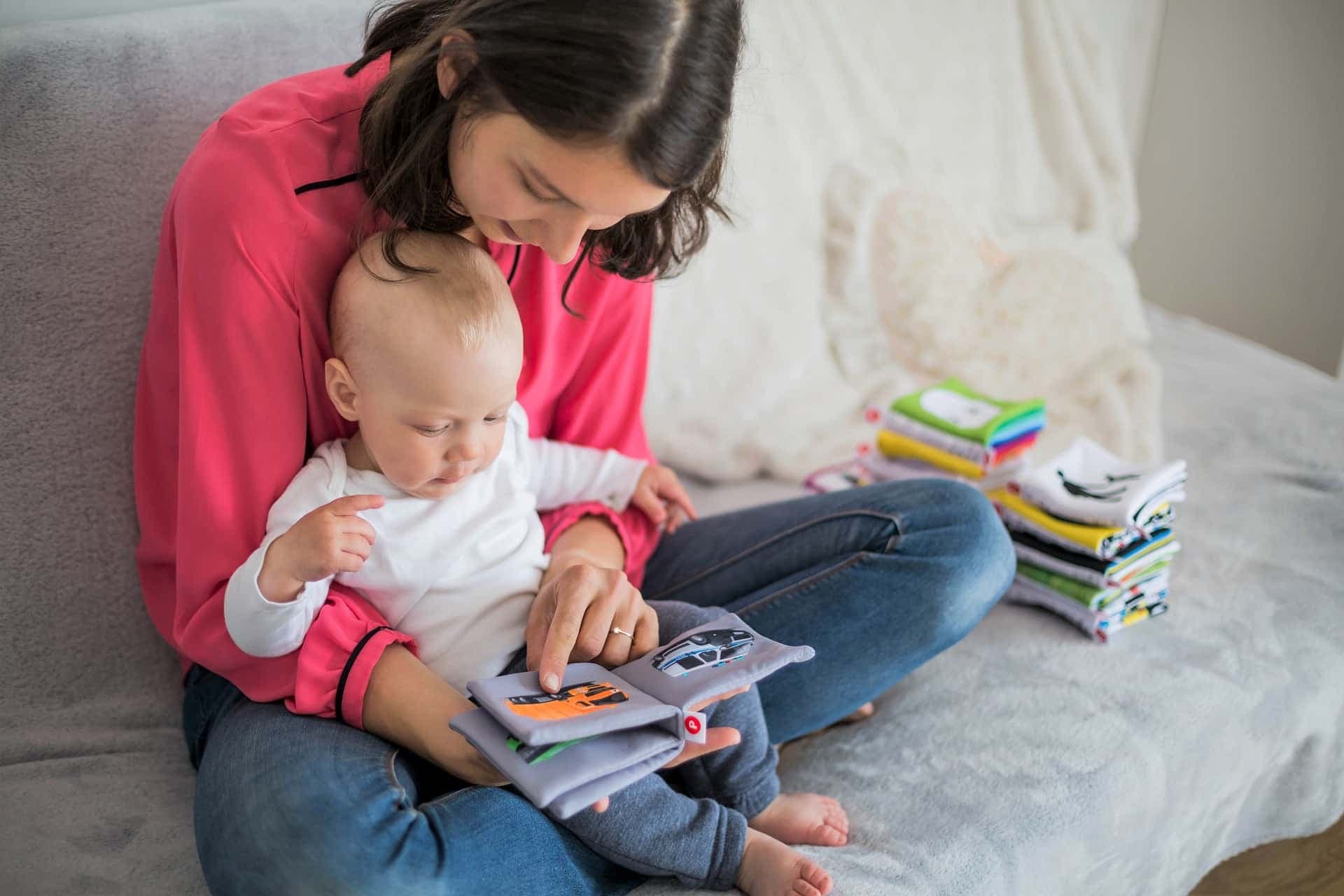
6 Month Milestones: Tracking Your Baby's Development and what to avoid.
Babies often experience a variety of physical, cognitive, and social milestones throughout their first six months of life. In terms of physical development, your baby could be able to roll over from their stomach to their back and elevate their head and chest while lying on their stomach. Additionally, they might be able to sit…
Read Morearrow_forward
Baby Crawling Guide: Benefits & Tips for Parents
The importance of baby crawling for physical and cognitive development: Crawling is an important milestone in a baby's development, as it helps to develop their physical and cognitive skills. From a physical standpoint, crawling helps to build strength in the muscles of the arms, legs, and core, as well as improve coordination and balance. This…
Read Morearrow_forward![Stages of Crawling, Pre Crawling; Part Of One-On-One With Anat. [BabyPillars].](/_next/image/?url=%2Fblog%2Ffeatured-pre-crawling-Pre-Crawling-baby.jpg&w=3840&q=75)
Stages of Crawling, Pre Crawling; Part Of One-On-One With Anat. [BabyPillars].
Pre crawling, the stages of crawling, this video is part of one-on-one session with Anat. One-On-One Online Private Sessions With Anat. Parenting classes are great, but sometimes you need more personalized advice. In this video you can see a personal private session that Anat gave to one of BabyPillars members in regards to pre crwaling…
Read Morearrow_forward